If you picture Baltimore, you probably see a sunlit block of brick façades, marble steps, and neighbors chatting on stoops. Maybe you are wondering what it is actually like to live inside one of those historic rowhomes and what to look for if you plan to buy. In this guide, you will learn how these homes are laid out, what daily life feels like, and the practical maintenance, parking, and permitting details that matter. Let’s dive in.
Why Baltimore rowhomes stand out
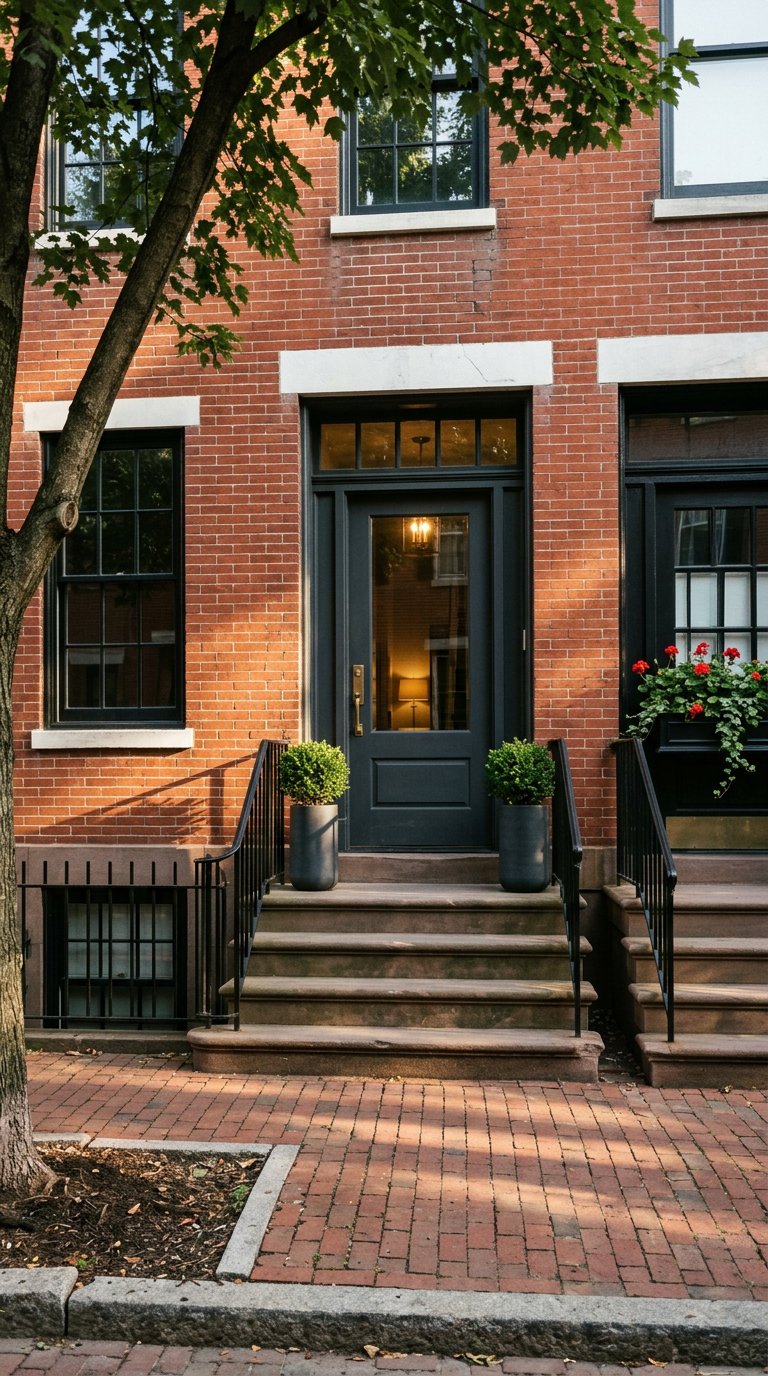
Baltimore’s rowhomes are the city’s signature house type, built in waves during the 19th and early 20th centuries as streetcar suburbs filled in. You recognize them by their narrow brick façades, bay windows, marble steps, decorative cornices, and metalwork. Some homes feature painted window screens, a beloved local folk art, and others wear mid‑century formstone. For a deeper look at these features and their history, explore this overview of Baltimore rowhome architecture from Baltimore Magazine (rowhome architectural history).
If you love a façade and plan any exterior changes, check whether the home sits in a local historic district. In those areas, front‑facing work like windows, doors, cornices, and porches may require approval from the city’s Commission for Historical & Architectural Preservation. Review the official CHAP rules and design guidelines before you budget or schedule work.
Baltimore’s painted‑screen tradition adds to the local texture and often shows up on older blocks and at community events. For cultural background, see Baltimore Heritage’s recognition of the practice (painted screens honored).
Inside layout and daily flow
Rowhomes live vertically. You usually enter up a few steps into a parlor level with living and dining spaces, then move back to a kitchen that may be in a rear addition. Bedrooms stack on upper floors. Many homes include a cellar or English basement for storage, utilities, laundry, or finished living space. Attics are sometimes converted into an extra room or office.
Because rooms run front to back, you get long sight lines and frequent short stair runs between levels. Narrow room widths and lower ceilings in basements are common. Thoughtful updates can make a big difference. Light wells, glass interior doors, and smart kitchen placement help a slender house feel open and bright.
Sizes vary by neighborhood and era. Academic analyses show many single‑family rowhouses cluster around roughly 1,200 to 1,400 square feet, with plenty of smaller and larger examples across the city. For context, see a peer‑reviewed dataset discussing Baltimore housing patterns (MDPI housing analysis). Always verify specific square footage on a given listing.
Outdoor space, parking, and getting around
Private outdoor space is compact. Expect a stoop or small front patch and a narrow rear yard, often big enough for container gardening, a grill, or a modest deck. Some blocks have alleys with garages or parking pads added behind homes. If you dream of a large lawn, this is the biggest lifestyle tradeoff in exchange for walkability and urban convenience.
On‑street parking is the norm. Many areas use Baltimore’s Residential Permit Parking system, which sets rules for overnight and guest parking. Before you buy, confirm whether your block sits inside a zone and how visitor passes work by reviewing the city’s Residential Permit Parking details.
Getting around is a strong upside. In Fells Point, Federal Hill, and Canton, you can walk to waterfront paths, markets, and cafes. Mount Vernon and Charles Village offer cultural venues and institutions nearby. Hampden mixes quirky retail with classic rows along tree‑lined streets. Many residents trade longer car commutes for access to bus, light rail, or the metro in and near downtown.
Maintenance and renovation realities
Most rowhomes predate modern building codes. Plan for a thorough inspection and build a realistic maintenance budget.
- Lead paint and older plumbing are common in pre‑1978 homes. Make lead testing and disclosures part of your purchase due diligence. The Baltimore City Health Department provides helpful context on prevention and compliance (lead safety information).
- Baltimore’s Service Line Partnership is inventorying water service line materials. Ask sellers about their line and any city inspection or self‑reporting. If a line is lead or galvanized, discuss replacement planning early. See the city’s notice on the program and inventory process (service line information).
- Masonry and roof care are recurring needs. Repointing, roof replacement, chimneys, cornices, and stoops are common projects. Costs vary widely by scope and access, so get multiple bids. For ballpark planning and contractor types, review local masonry resources (Baltimore masonry contractors overview).
- Historic districts add steps and timelines. If your block falls under CHAP, visible exterior work usually needs approval, which affects schedules and materials choices. Always check the CHAP guidelines before renovating.
- Energy and systems upgrades improve comfort and costs. Many older rows lack modern insulation and have smaller electrical service panels. BGE and state programs can help you sequence upgrades. Start with a Home Performance with ENERGY STAR audit, then prioritize air sealing, insulation, and efficient HVAC with available rebates (BGE program overview).
- Incentives and rehab programs can stretch your budget, especially if you take on a fixer. Explore Baltimore’s Vacants to Value Booster and homeownership resources for potential financial support and success stories (Vacants to Value Booster).
A day in a Baltimore rowhome
Picture a quiet morning coffee on the stoop as the block wakes up. You head out on foot to a corner deli, then commute by bike or bus. After work, dinner might be at a neighborhood spot around the corner. Back home, the small yard glows under string lights while a few potted tomatoes climb a trellis. The house lives vertically and close to the street, which makes everyday interactions easy and familiar.
Rowhome buyer checklist
- CHAP or conservation district status. Ask if the property is in a protected area and request documentation for any past approvals. Review the CHAP rules before planning exterior changes.
- Lead paint disclosures and tests. For pre‑1978 homes, confirm required lead disclosures and ask for recent dust or paint test results. If the home was ever rented, request compliance records. Learn more from the City Health Department.
- Roof, chimney, and masonry condition. Look for cracked mortar, spalling brick, or patchwork repairs. Get at least one roofing and masonry estimate and verify compatible mortar was used. See planning resources for Baltimore masonry work.
- Water service line material. Ask whether the line is copper, lead, or galvanized and whether the owner has participated in the city’s inventory. Review the city’s service line information.
- Parking and permits. Confirm if the block requires an RPP sticker and how guest passes work, especially near stadiums or hospitals. Check current rules on Residential Permit Parking.
- Energy systems and electrical service. Note the panel size and age of HVAC and water heater. Ask if a BGE or ENERGY STAR audit has been done and what upgrades followed. Start with the BGE program overview.
- Basement moisture and egress. Many English basements run damp. Look for sump pumps, dehumidifiers, and drainage. If finished, verify proper egress and discuss any insurance implications with your agent and inspector.
Is a Baltimore rowhome a fit for you?
You trade a big yard and wide rooms for walkability, character, and a connected neighborhood rhythm. In return, you gain daily convenience and historic charm that is hard to find in newer construction. If you like the idea of stoop conversations, easy access to local spots, and a home that rewards smart updates, a Baltimore rowhome may be a great match.
Curious which blocks fit your budget and lifestyle, or how to structure a renovation‑friendly purchase? Reach out to Erik F Grooms for local guidance tailored to your goals across Baltimore City and the surrounding counties.
FAQs
What defines a Baltimore rowhome’s architecture?
- Brick façades, bay windows, marble steps, decorative cornices, and sometimes painted screens or formstone, as outlined in Baltimore Magazine’s rowhome history.
How big are most Baltimore rowhomes?
- Many single‑family rowhomes cluster around 1,200 to 1,400 square feet, according to a peer‑reviewed dataset, with smaller and larger homes across the city (MDPI housing analysis).
What is CHAP and why does it matter to buyers?
- CHAP oversees historic districts; visible exterior changes like windows, doors, and cornices may need approval, which affects budgets and timelines—see the CHAP guidelines.
How does Residential Permit Parking work in Baltimore?
- Certain blocks require permits for overnight parking and offer visitor passes; confirm your zone and rules on the city’s Residential Permit Parking page.
What maintenance should I plan for with an older rowhome?
- Expect periodic masonry repointing, roof and chimney care, and stoop or cornice repairs; get multiple estimates and use local resources for planning (Baltimore masonry overview).
Are there programs to help with energy upgrades?
- Yes. Start with a Home Performance with ENERGY STAR audit through BGE to prioritize air sealing, insulation, and efficient HVAC with rebates (BGE program overview).
What incentives exist for buying or rehabbing a rowhome?
- Baltimore’s Vacants to Value Booster and related programs can help eligible buyers and rehabbers—review the Vacants to Value Booster for details.